Categories
未分類

Elementor #6146

Categories
未分類

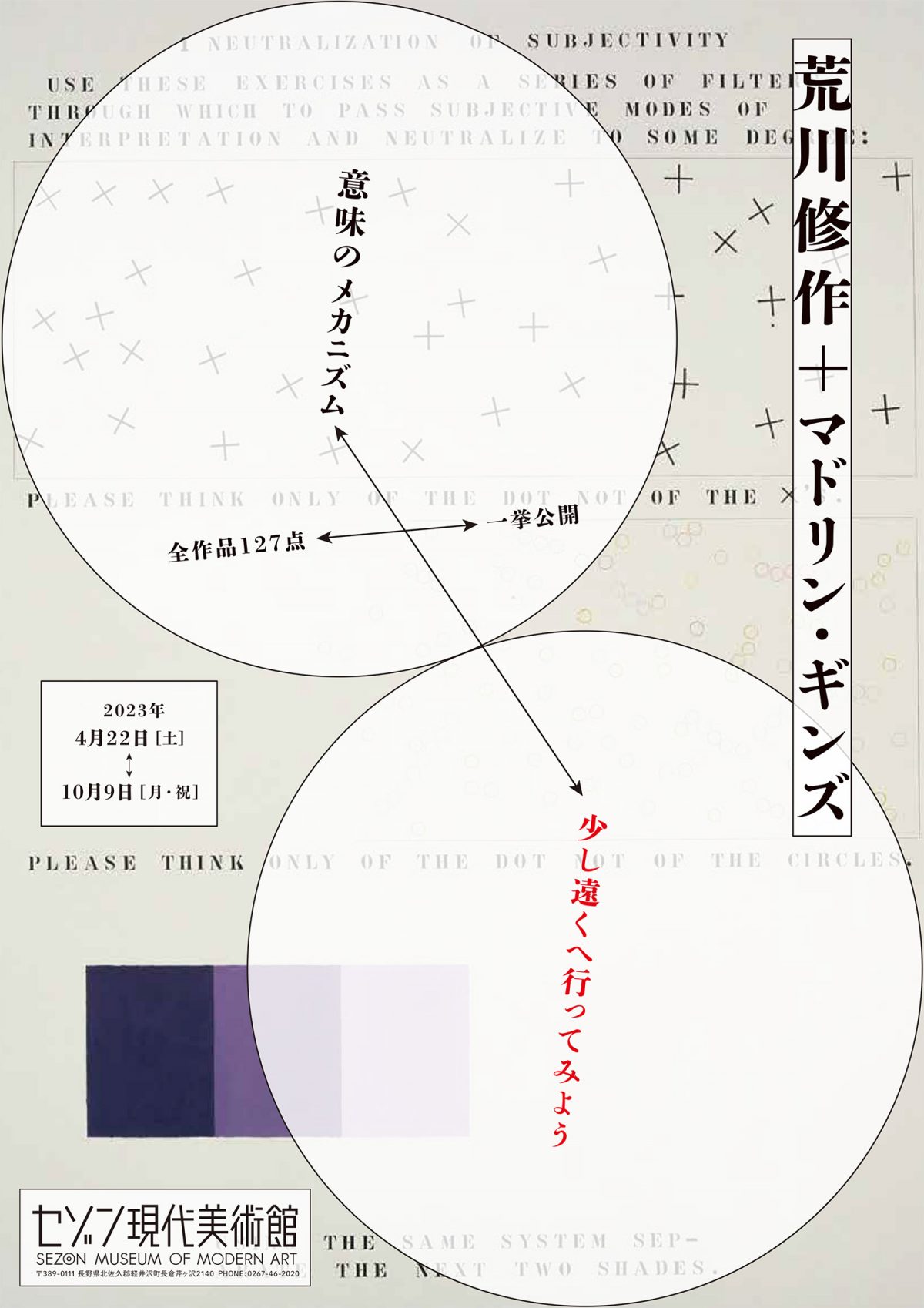
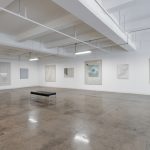
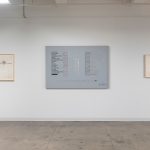
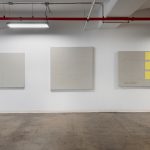
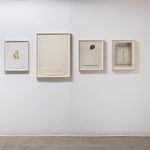
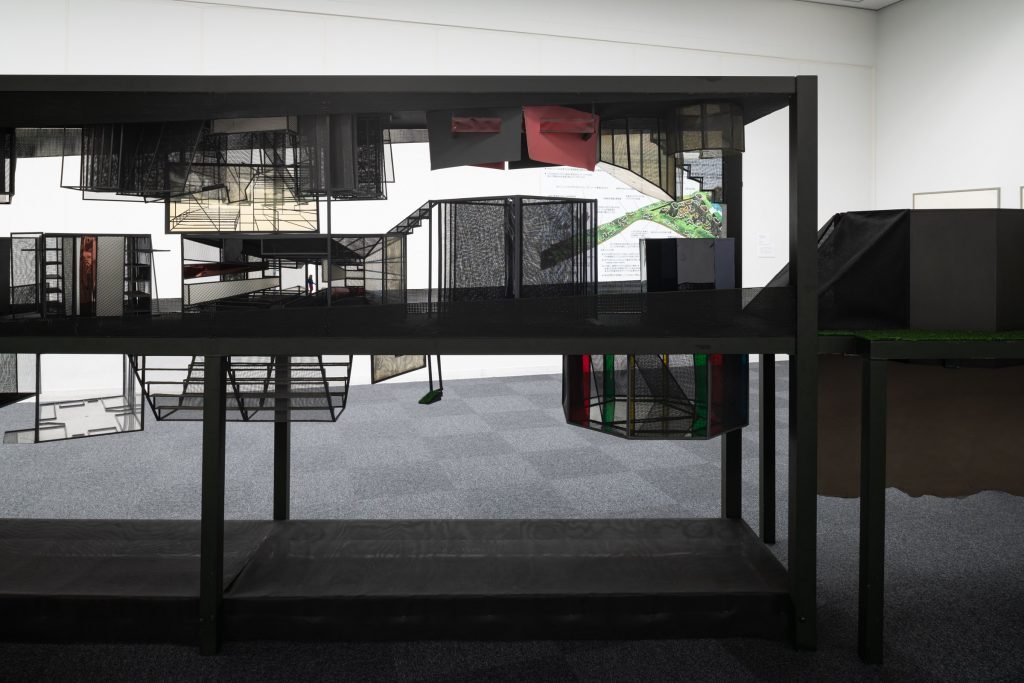
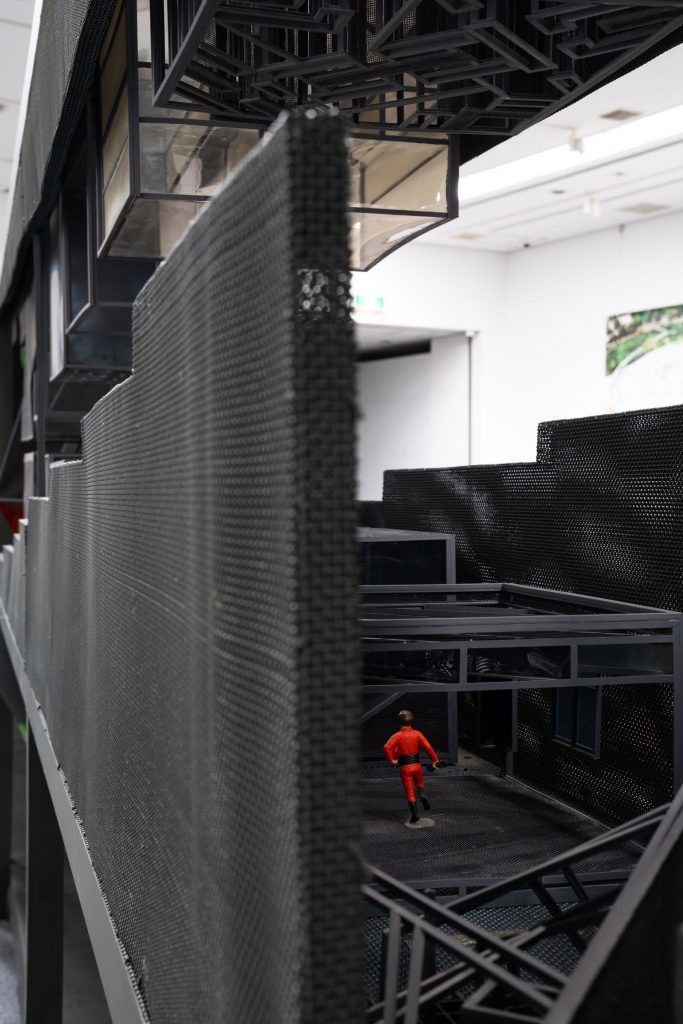
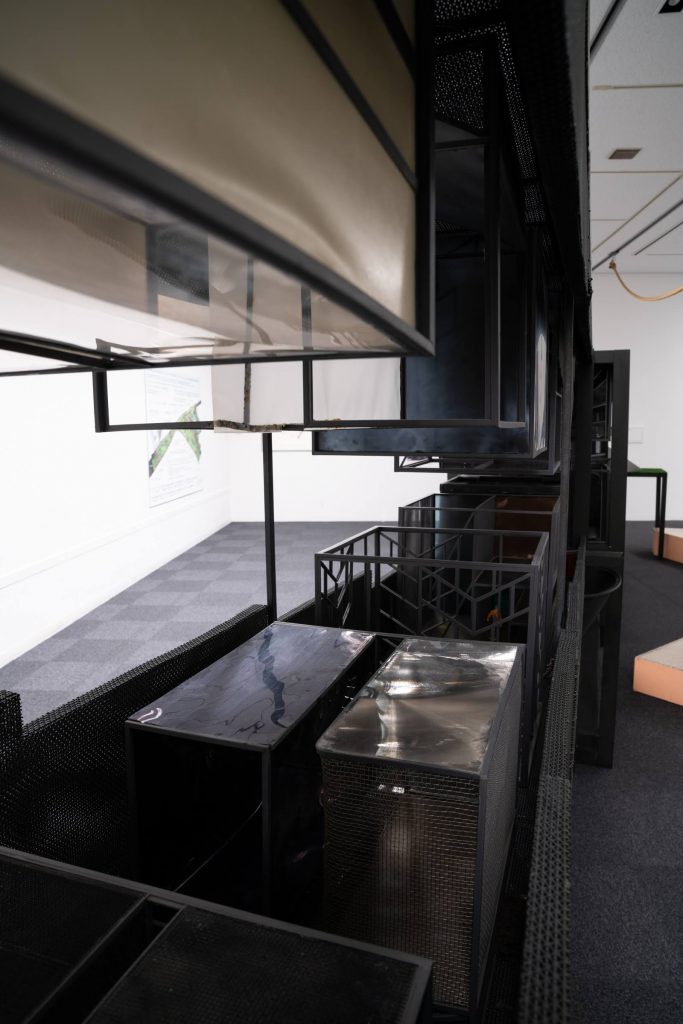
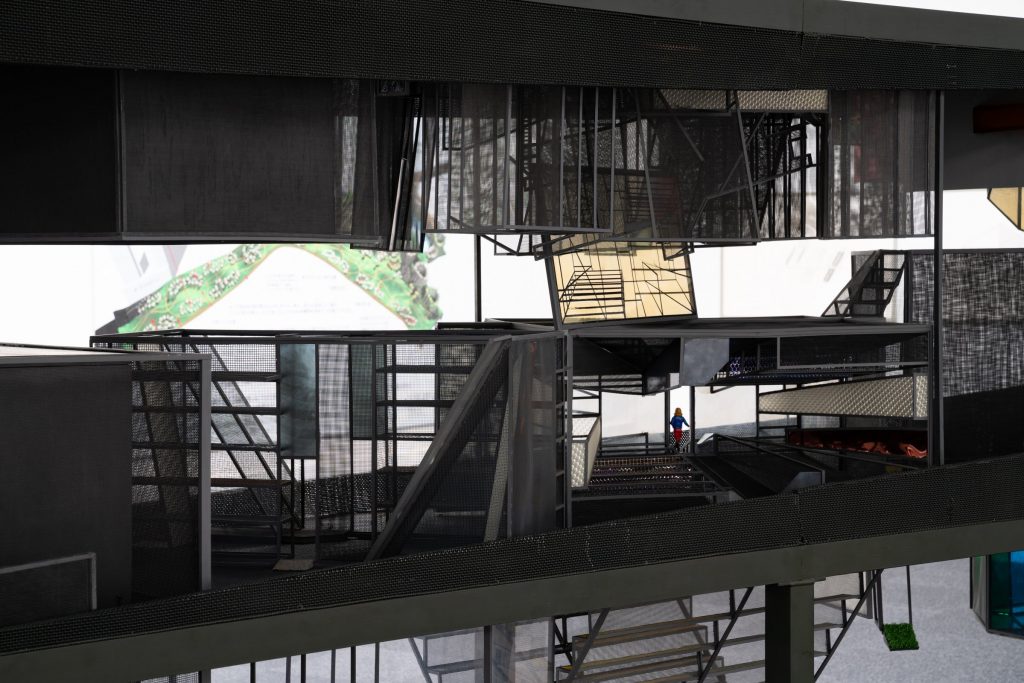
The Mechanism of Meaning: Arakawa and Madeline Gins
Shall we go just a little farther away?

The Mechanism of Meaning: Arakawa and Madeline Gins  — Shall we go just a little farther away?

Venue: Sezon Museum of Modern Art, Karuizawa, Nagano, Japan
Period: April 22 – October 9, 2023
Opening hours: 10:00am-6:00pm(Admission until 30 minutes before closing)
Holiday: Thursdays(except May 4 / Open every days in August)

For more information, visit:  https://smma.or.jp/en/exhibition/shusakuarakawamadelinegins

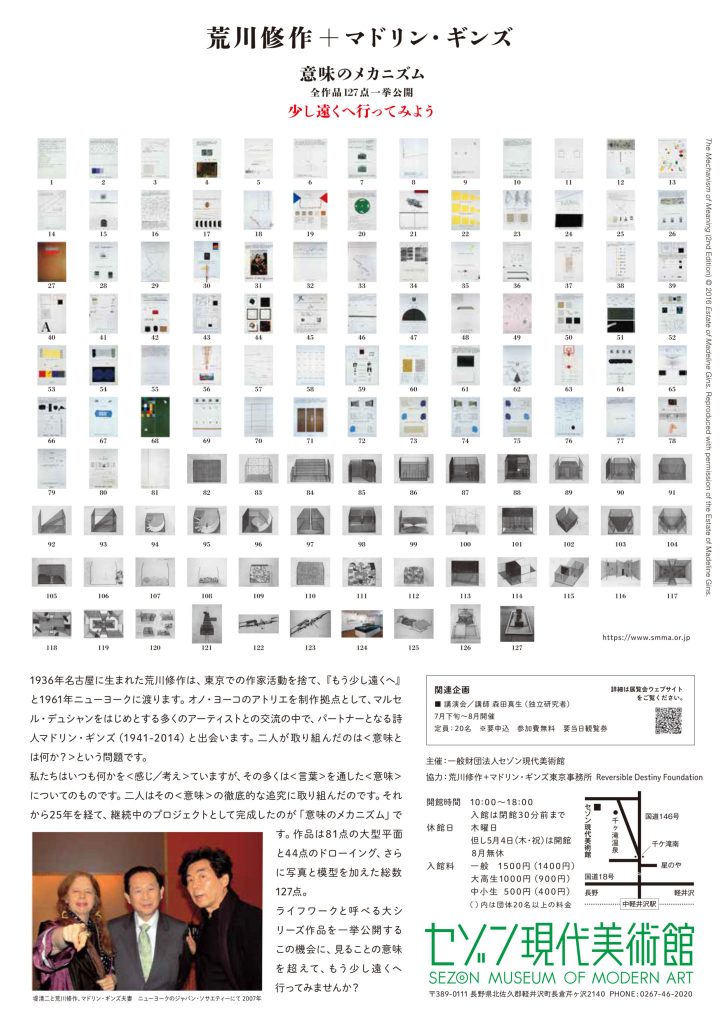
Shusaku Arakawa was born in Nagoya in 1936. After some time in Tokyo, in 1961 he chose to abandon his artistic activity there to move “just a little farther away” to New York where he based himself at Yoko Ono’s studio. In his interactions with numerous artists there, including Marcel Duchamp, Arakawa met the poet Madeline Gins (1941-2014) who would become his lifetime partner. The two delved deeply into the concept of “meaning,” noting that while people feel/think, it is generally in terms of meaning conveyed through words. This exploration evolved over 25 years into The Mechanism of Meaning, a project encompassing 127 items including 81 large-scale paintings, 44 drawings, one photograph, and one architectural model.

These works are, in effect, a major lifework series, brought together in one place for this exhibit. We invite you to go “just a little farther away” to a place that transcends the conventional viewing experience.

(quoted from Official Website)

Categories
未分類

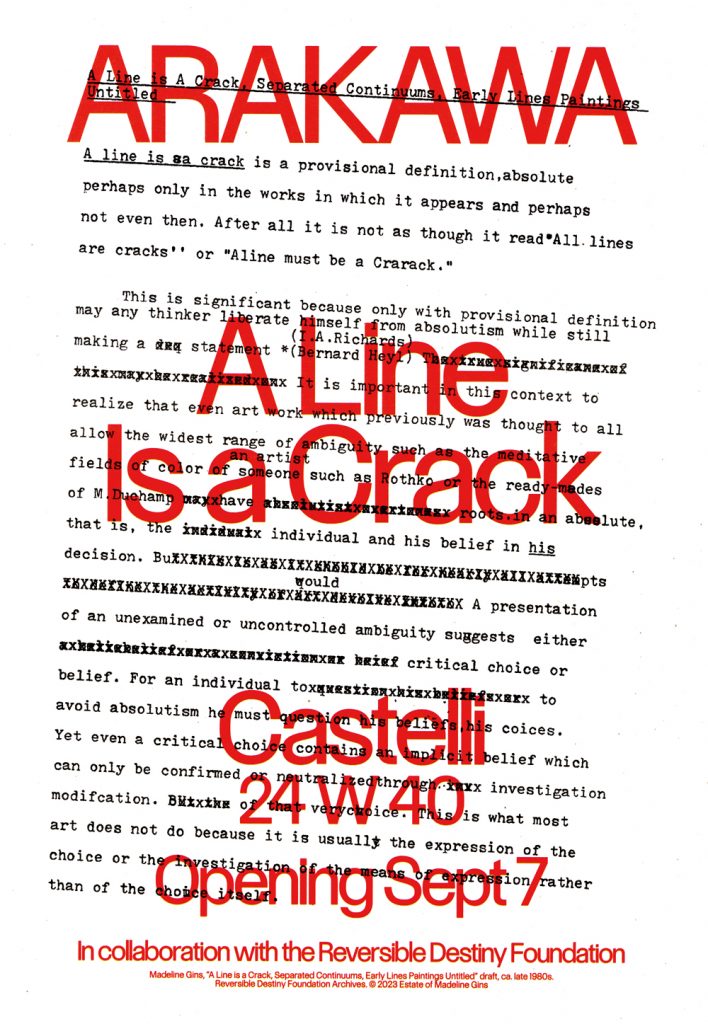
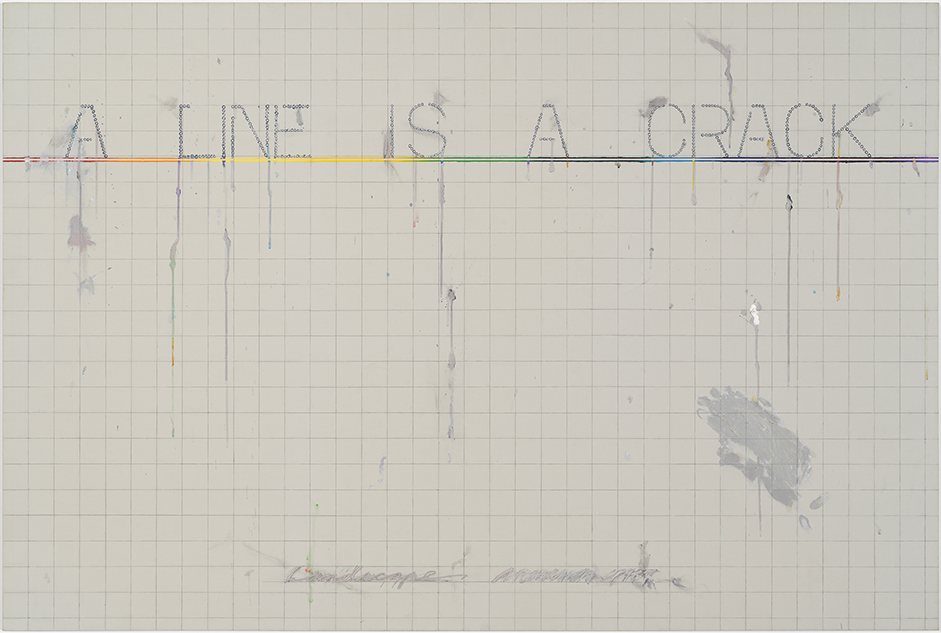
“Arakawa: A Line Is a Crack” exhibition at Castelli Gallery

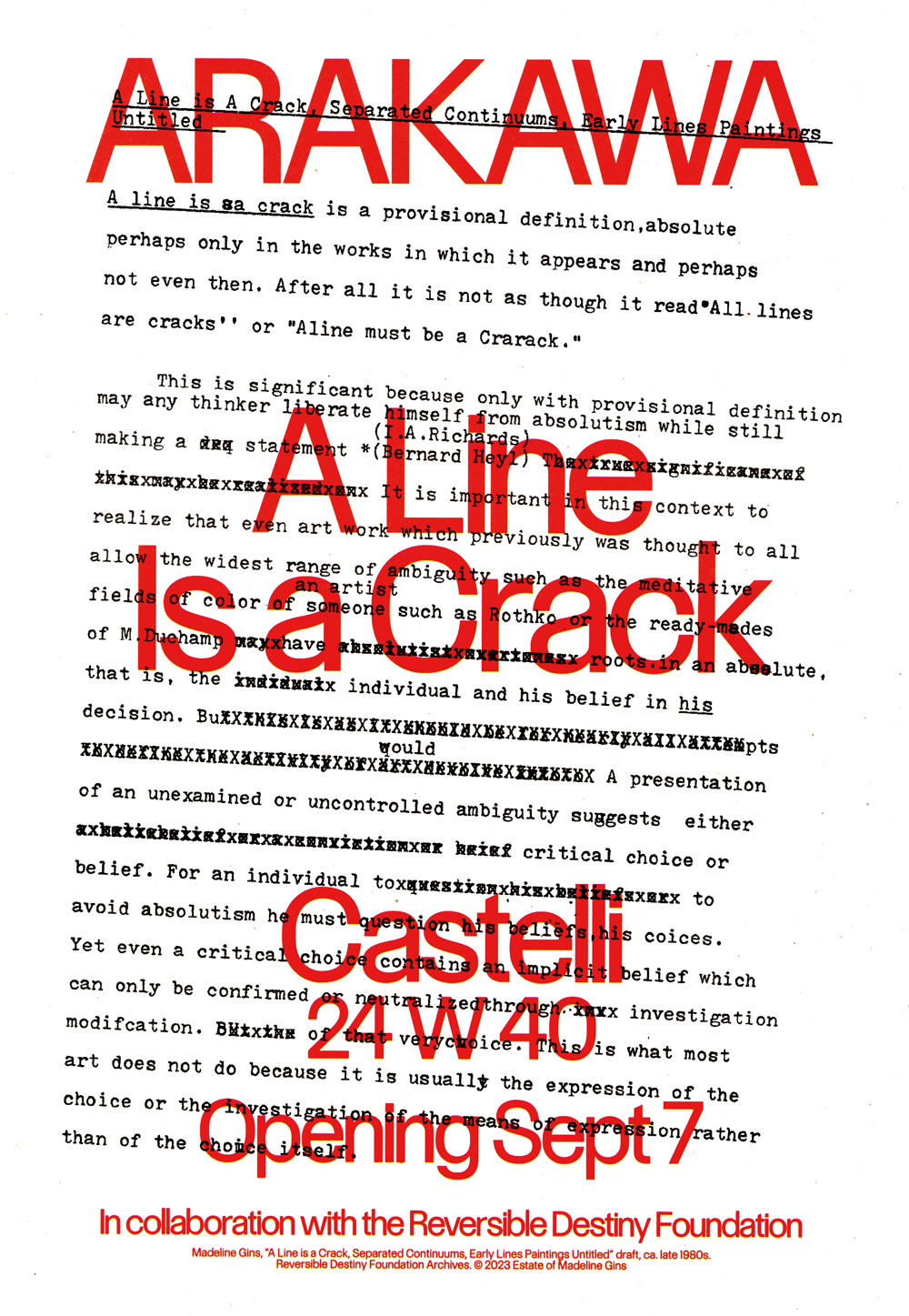
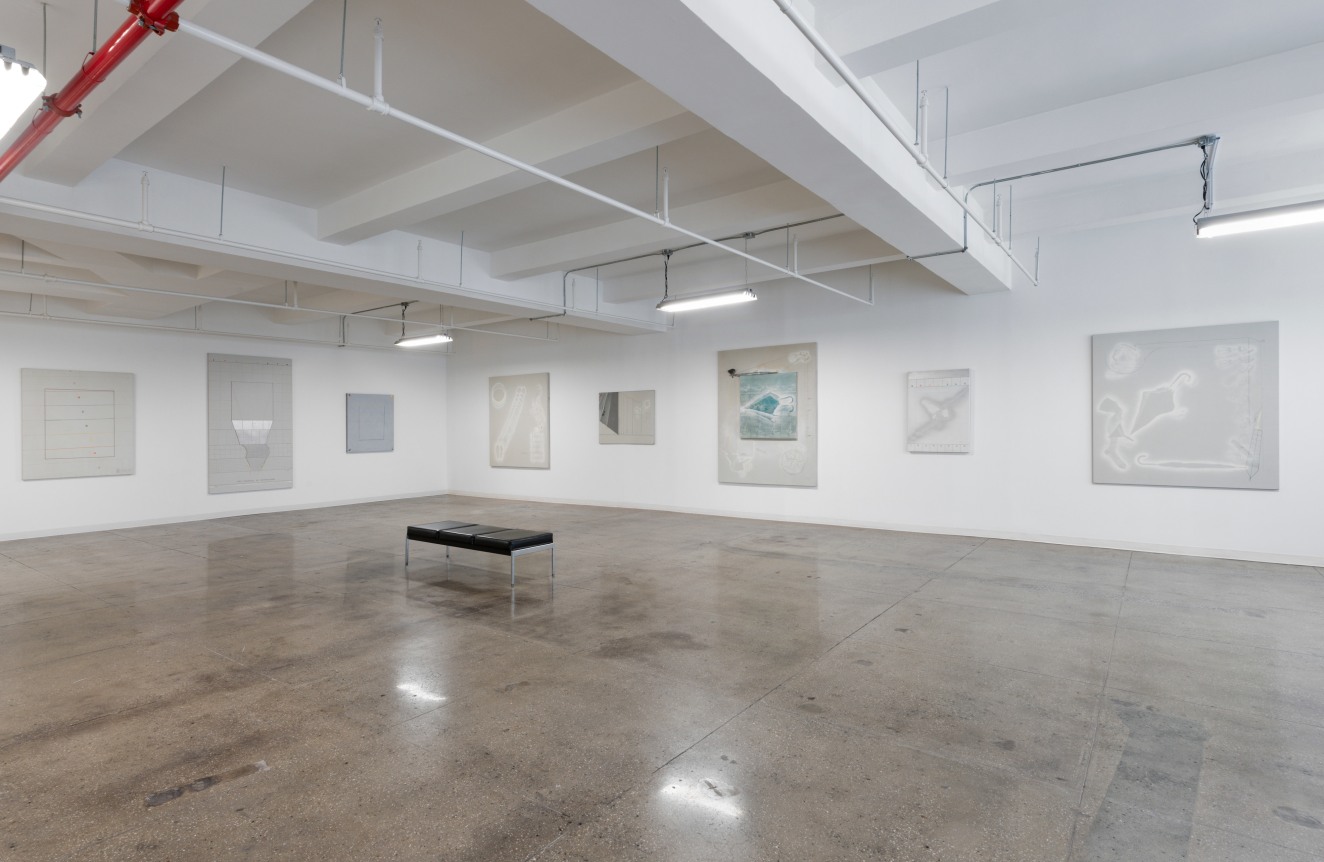
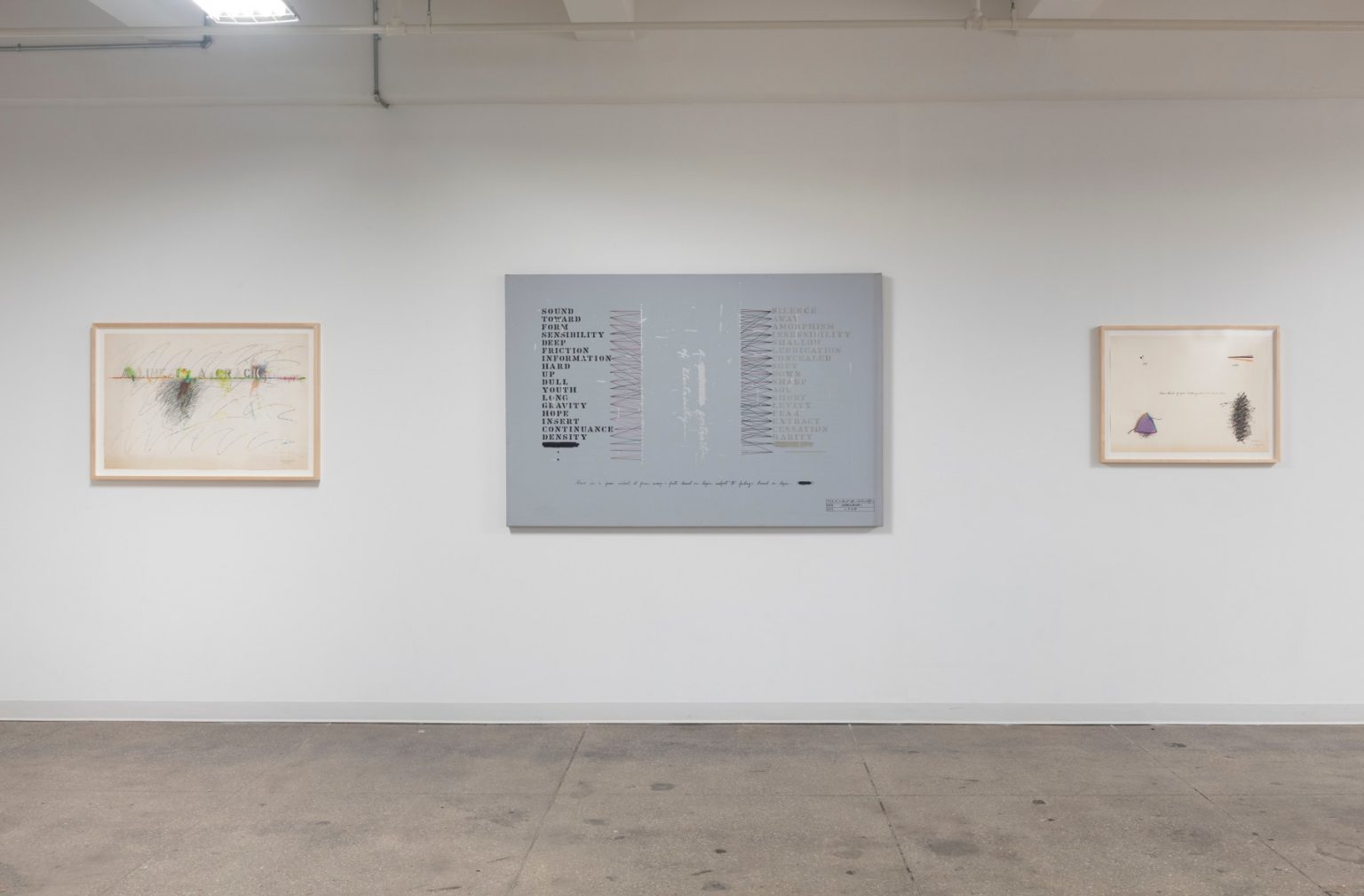
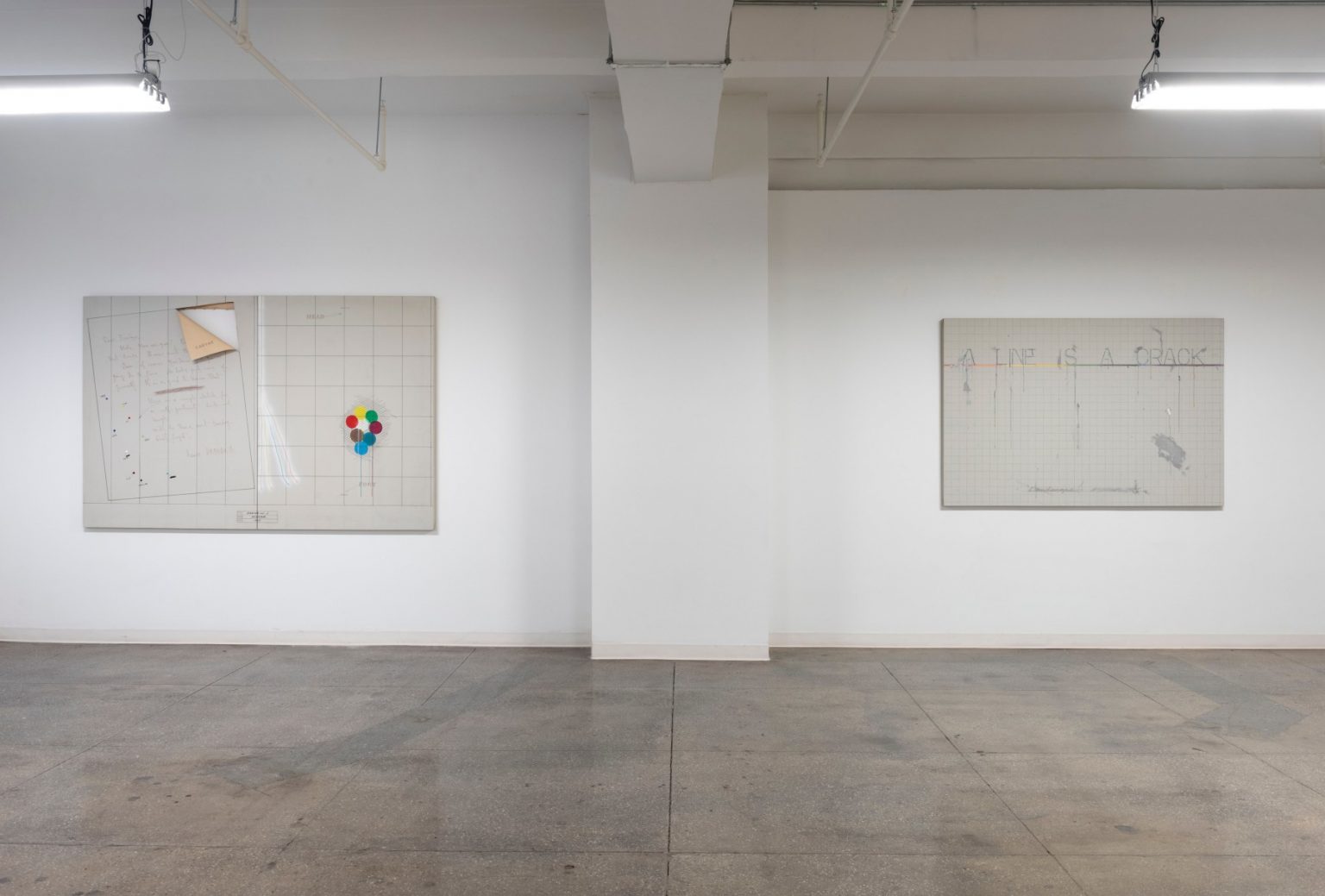
We are happy to announce the opening of the exhibition ARAKAWA: A Line Is a Crack at Castelli Gallery 24 West 40th Street, New York, on September 7th, 2023.

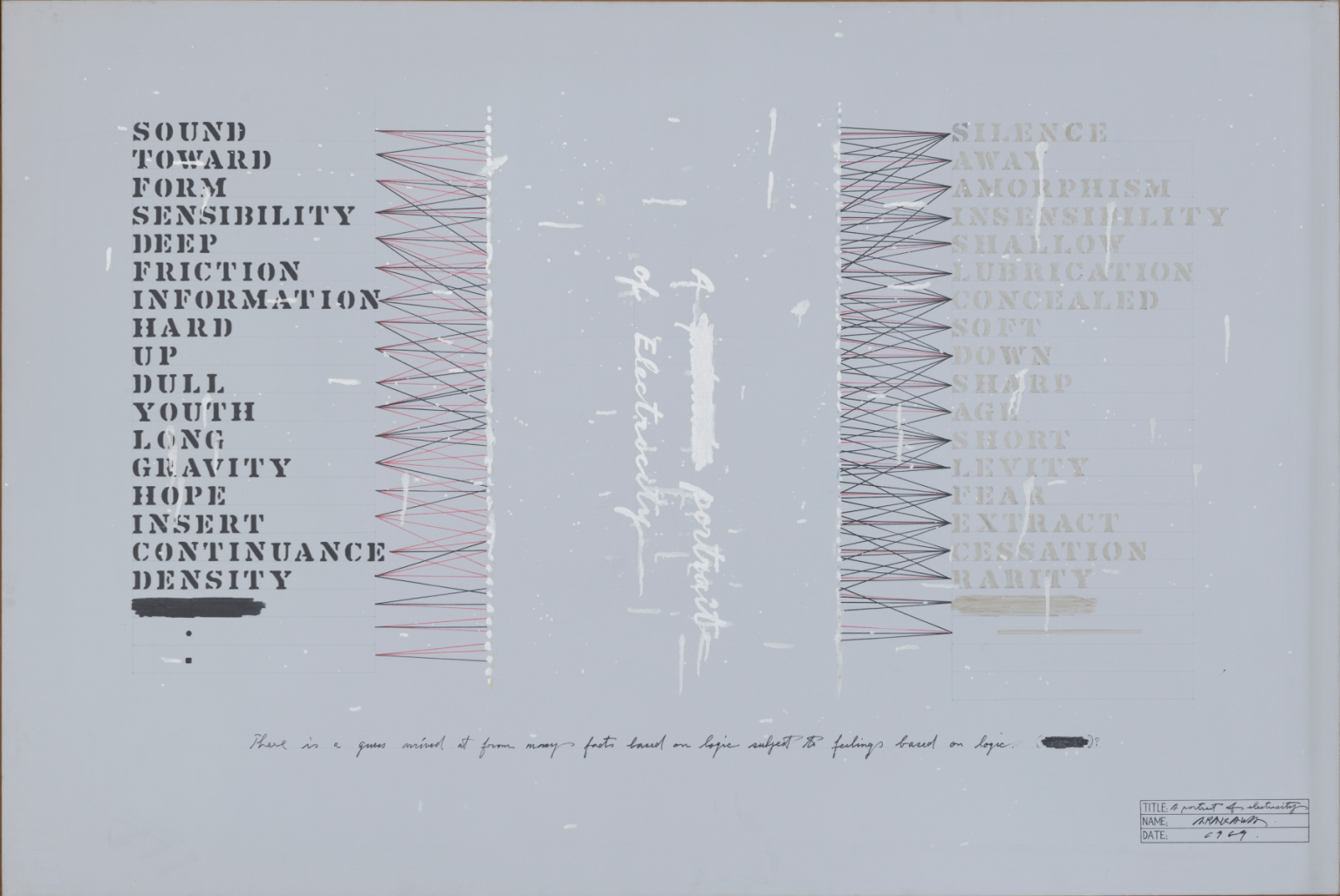
Arakawa: A Line Is a Crack focuses on Arakawa’s work from the 1960s. After a period in the late 1950s in which Arakawa was active in the Tokyo avant-garde art circles, he arrived in New York City in December 1961. He soon joined the other young artists in the city, including Jasper Johns, Robert Rauschenberg, and Robert Morris, whose works were largely influenced by Marcel Duchamp. The exhibition reflects the liveliness of the New York art scene at the time, as well as Arakawa’s aspiration to think of painting in a new way.

For more information, please visit the Castelli Gallery website

Categories
未分類

“Arakawa: A Line Is a Crack” closing reception

Categories
Exhibitions 未分類

A Rose Is

Arakawa, And/Or in Profile No. 2, 1974. Acrylic, graphite and plastic rose, glass vase, wood and builder’s level on canvas, 77 1⁄2 x 107 x 6 1⁄2 inches

A Rose Is

Exhibition at the FLAG Art Foundation

FLAG Art Foundation
545 W 25th St #9
New York, NY 10001

On view from February 27, 2025  through June 21, 2025

Opening reception: Thursday, February 27, 6-8 PM

“The FLAG Art Foundation is pleased to announce A Rose Is, an expansive group exhibition that examines the ubiquity and multivalent meaning of the rose throughout art history and visual culture. Across a wide array of media, including video, sculpture, painting, and text, the exhibition considers the rose in all of its symbolic and ritual complexity, ultimately seeking to complicate our familiarity with it as a vehicle for consumption and desire.”

Arakawa’s painting And/Or in Profile No. 2, 1974, will be presented alongside artists including Cy Twombly, Louise Bourgeois, Andy Warhol, Lee Krasner, George Platt Lynes, and others. As the exhibition suggests, the literary and linguistic life of the rose is perceived within this juxtaposing piece. Please join us in defining what #ARoseIs.

For more information, https://www.flagartfoundation.org/exhibitions/aroseis

Categories
未分類

ARAKAWA: Waiting Voices at Gagosian Gallery in Basel

The exhibition ARAKAWA: Waiting Voices at Gagosian Gallery in Basel will be opening on November 25th, 2021. It will be on view through January 22, 2022.

The exhibition features Arakawa’s paintings and drawings produced between 1964 and 1984, the twenty-year span that saw him experimenting with diagrammatic motifs, language, texture, and space that ultimately led the artist, together with Madeline Gins, to the field of architecture. For further information, please visit the Gagosian website.

In conjunction with the exhibition, the Reversible Destiny Foundation will host a virtual lecture by Dr. Ignacio Adriasola, live from Basel on December 9th, 11 AM EST. Focusing on works featured in the exhibition, his talk will address major developments in Arakawa’s practice through the mid-1980s. This program is approximately 1 hour in length, including Q&A at the end. Click here to register in advance! 

Lecture Précis:

The white on off-white ground of an immense canvas stretches before us, like sand on a beach. Overlapping layers of acrylic varnish divide its surface creating a subtly dark imprint. Thin graphite lines stretch and direct our gaze across the canvas, indicating the shortest distance possible between enigmatic figures and words. Objects leave their mark, like shadows. As we step away from the canvas, we begin to discern a secret geometry: waiting voices, captured right at the moment before thought finds form.

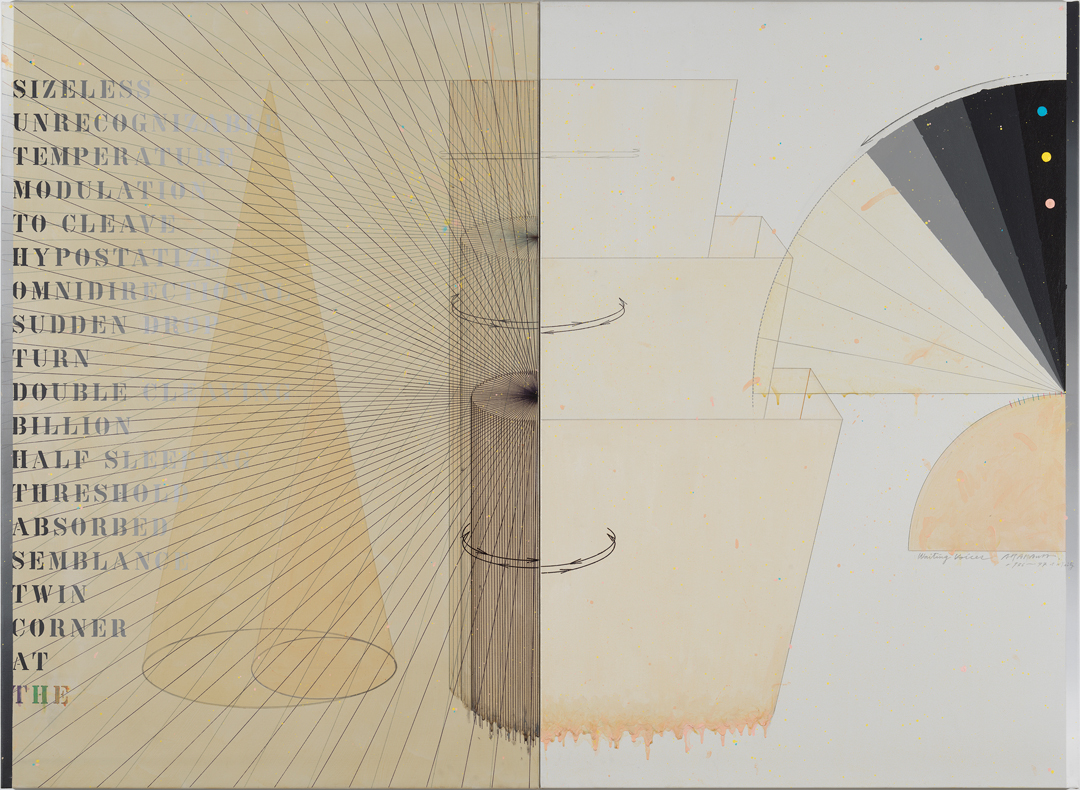
Arakawa’s canvases speak a language that is at once simple, yet hard to understand. It is impossible to access them without poetry: one finds drawn images and words that never meet; instructions that can’t be fulfilled; invitations that remain unopened. Someone’s voice emerges within, everywhere and nowhere at once. The voice traps us in descriptions pointing to non-existing things: “This rectangle is a photograph of this entire painting,” one work claims, but, of course, there is no photograph in the canvas. Another entices us to imagine implausible qualities and actions, such as “sizeless,” “hypostatize,” “to cleave.” The works describe, direct, admonish, and tease the viewer. And like all good teases they are at once sensual and metaphysical, comical and dead-serious.

If painting is traditionally imagined to belong and reflect the constituted world, Arakawa inverts that relationship. This is because, as Duchamp once noted of Arakawa’s diagrams—and Madeline Gins constantly reminded us since—these are not paintings. Where did these post-paintings come from? How do they operate? Focusing on works featured in this exhibition, my talk will address major developments in Arakawa’s practice through the mid-1980s. I will situate Arakawa in relation to the reception and theorization of surrealist practices in Japan, and I will trace the shift his work took since his emigration to New York, and the beginning of his life-long collaboration with his partner, the critic and poet Madeline Gins.

In brief: the post-paintings emerge as a means first of examining the world of objects in their state as a yet-unformed possibility. Madeline Gins noted that the diagrams model, but are not just models. Arakawa found in them a method for examining potentiality, by indexing with a secret geometry a place somewhere beyond existence. Arakawa’s work sparked important critical debates on the nature of the image (Nakahara Yūsuke and Nicolas Calas), of absence and presence (Miyakawa Atsushi and Jean-François Lyotard), and on art’s capability as a “thinking field” (Gins), opening up a line of investigation that eventually led him to the body as the place where possibility resides.

Lecturer:

Dr. Ignacio Adriasola teaches in the Department of Art History, Visual Art and Theory at the University of British Columbia. His research focuses on experimental art and culture in postwar Japan. His book Fragment, Image, and Absence in 1960s Japan is forthcoming from PSU Press (Fall 2022).

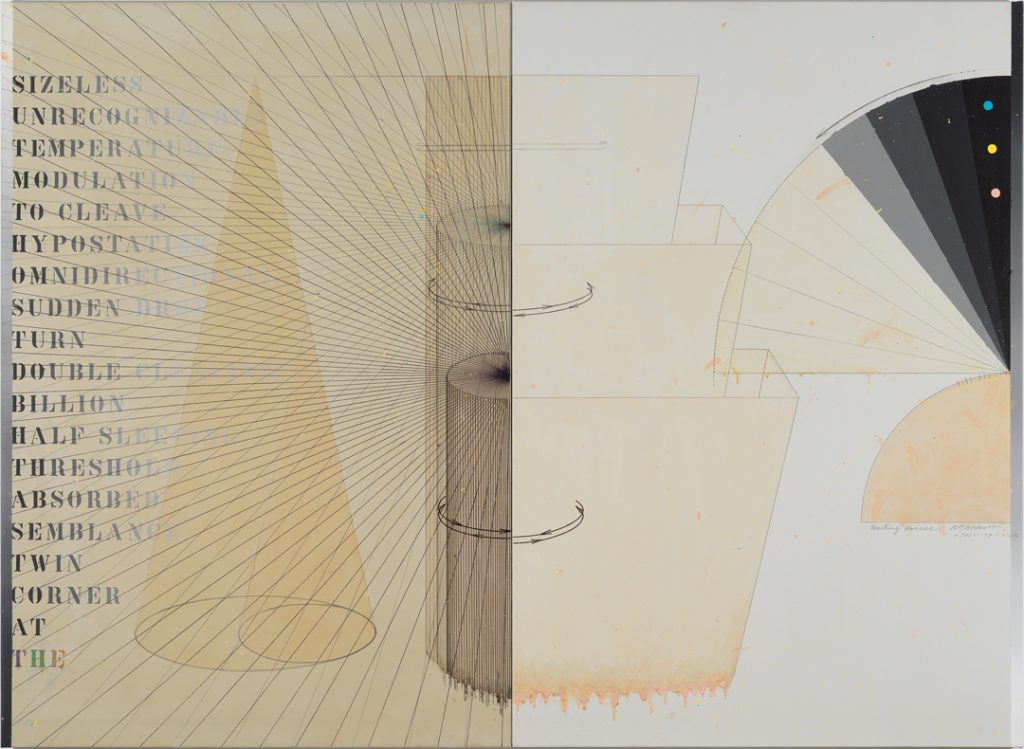
Top Image: Arakawa, Waiting Voices, 1976–77,
acrylic, graphite, marker, and varnish on canvas and linen (in 2 parts), 70 x 96 in. Photo by Robert McKeever

Bottom Image: Dr. Ignacio Adriasola at the Reversible Destiny Lofts—Mitaka (In Memory of Helen Keller), Tokyo, 2017.
Photo by Takeyoshi Matsuda

Categories
未分類

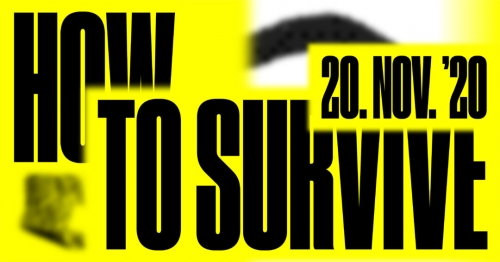
How to Survive

Arakawa + Gins in group exhibition How to Survive, at the Sprengel Museum, Hannover, Germany.

Gustav Metzger – Shusaku Arakawa/Madeline Gins – Alina Szapocznikow – Tracey Emin – Valérie Favre – Jean-Pascal Flavien – Elizabeth Jäger – Mike Kelley – An-My Lê – Beatrice Olmedo

On view November 14, 2020 through February 28, 2021.

“Expulsions, disasters and injuries are ruptures in human lives that prompt survivors to question the meaning and nature of survival. Managing to come to terms with this issue is like a creative act, a self-empowerment. The exhibition project will evoke this power of art by presenting three central figures whose work will be shown in depth in combination with individual works by other artists.

Gustav Metzger (1926 – 2017), Shusaku Arakawa (1936 – 2010)/Madeline Gins (1941 – 2014) and Alina Szapocznikow (1926 – 1973) represent three central positions that formulate survival strategies in their artistic work and address existential issues that are particularly urgent today.”


– Carina Plath, curator

Categories
未分類

life and limbs

Opening Reception: September 24, 6-8PM

Location: 38 St Marks Pl, New York, NY 10003


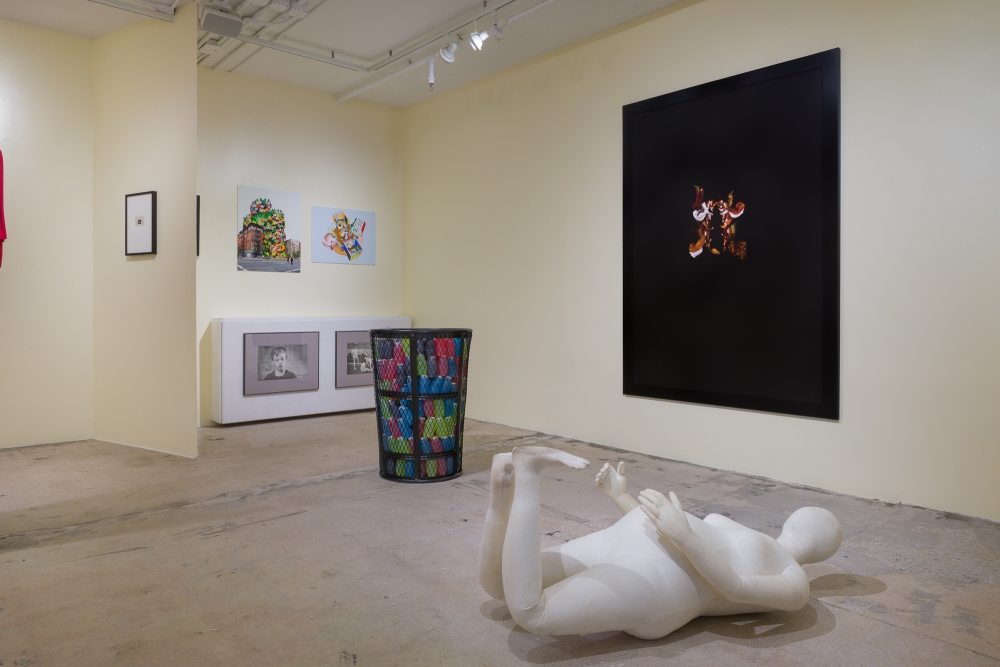
life and limbs is the fourth exhibition in Swiss Institute’s Architecture and Design Series, curated by Austrian artist Anna-Sophie Berger. Considering corporeality as a primary concern for design, Berger here assembles a group of works that register the body as a habitat that can be imaginatively stretched, altered, modified, adorned, replicated or destroyed. Including works from a variety of disciplines, movements and periods,

The exhibition includes works by Arakawa and Madeline Gins, among other practitioners from a variety of disciplines, movements and periods.

Each work in the exhibition troubles the limits of what a body can consume, process, reach and become, from the metamorphosis that comes from wearing a garment to complete transfigurations into surreal, new beings.


For more information please visit: swissinstitute.net

Categories
未分類

Diagrams for the Imagination

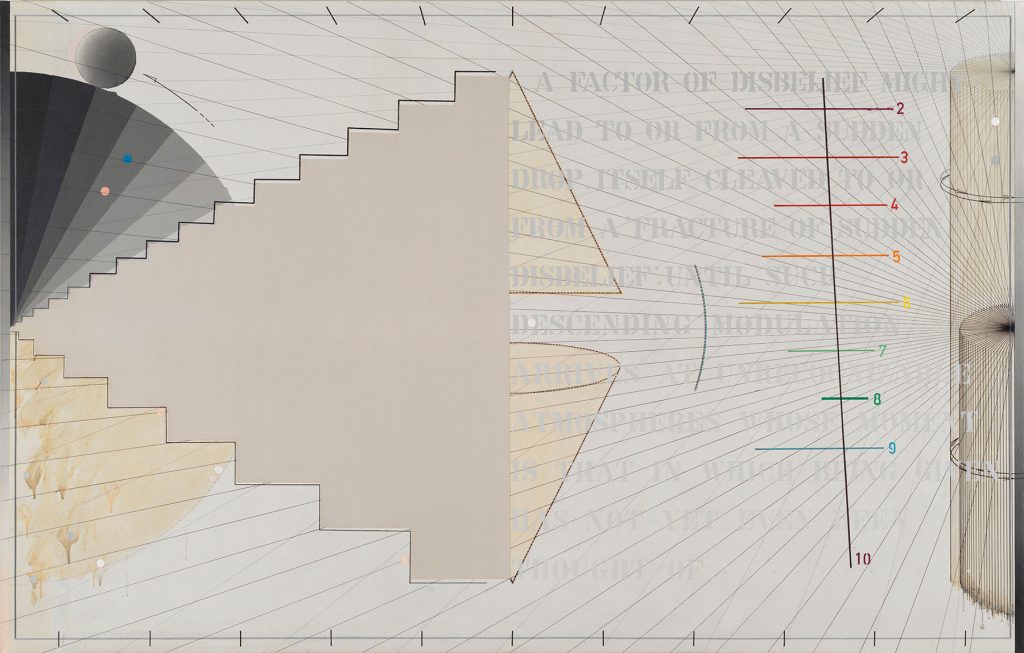
Arakawa, That in Which No.2, 1974-75. Acrylic, graphite, and marker on canvas, 65 x 102 inches

Gagosian Gallery will present Diagrams for the Imagination, an exhibition of works by Arakawa, made between 1965 and 1984.

The exhibition will be on view from March 5 – April 13, 2019

Opening reception: Tuesday, March 5, 6–8pm

Gagosian Gallery
980 Madison Avenue
New York, ny 10075
 

Tel. +1 212 744 2313 
newyork@gagosian.com
Hours: Monday–Saturday 10–6


What I want to paint is the condition that precedes the moment in which the imagination goes to work and produces mental representations. —Arakawa 

Born in Japan in 1936, Arakawa was one of the founding members of the Japanese avant-garde collective Neo Dadaism Organizers, describing himself as an “eternal outsider” and an “abstractionist of the distant future.” In 1961, he moved from Tokyo to New York. By the mid-1960s, his work had taken a pivotal turn with the “diagram paintings,” which combine words with highly schematic images suggestive of blueprints. He began exhibiting at Dwan Gallery in Los Angeles and New York, and was included in the now legendary 1967 exhibition Language to be looked at and/ or things to be read. Over the decades that followed, Arakawa explored the workings of human consciousness, diagrammatic representation, and epistemology.

This exhibition examines the period during which Arakawa worked in two dimensions, using paint, ink, graphite, and assemblage on canvas and paper to demonstrate what critic Lawrence Alloway called “the logic of meaning, the texture of meaning.” From the mid-1960s onward, Arakawa began to augment the simple topography of his diagrams with additional referents, sometimes engaging other sensory faculty or using prompts and instructions to make the viewing of painting into an active endeavor. In A Couple No. 2 (1966­–67), the bird’s-eye view of a bedroom is mapped out: bed, table, pillow, head, foot, lamp. The image shows only the places where the corresponding physical elements would be, had “a couple” been literally depicted. In this way, the painting becomes a catalyst for the viewer to independently construct an image of a couple in the mind’s eye, rather than receive its depiction directly from the painting.

Blank Lines or Topological Bathing (1980–81) comprises four canvases: a color chart; a vision test chart; and two patterned, off-white canvases, one of which is stenciled with the words “THE PERCEIVING OF ONESELF AS BLANK.” Signs and diagrammatic shapes such as cylinders, arrows, and concentric circles mingle with words and phrases, abstract and semiological signals coming together on the canvas. Arakawa constructed these systems of words and signs to both highlight and investigate the mechanics of human perception and knowledge. Working often with Madeline Gins, his wife and collaborator, Arakawa turned his attention primarily to architecture after 1990, and, in 2010, he and Gins founded the Reversible Destiny Foundation. In his work, the image is often merely a stimulus, as the ultimate act of representation is displaced from the canvas, or object, to the imagination of the viewer, opening up a gap between the eye and the mind. As Arakawa has stated, “Understanding is usually beside the point.”

The exhibition will be accompanied by a fully illustrated catalogue, with an essay by Charles W. Haxthausen.


For more information please visit: https://gagosian.com/

Categories
未分類

Arakawa and Madeline Gins: Eternal Gradient
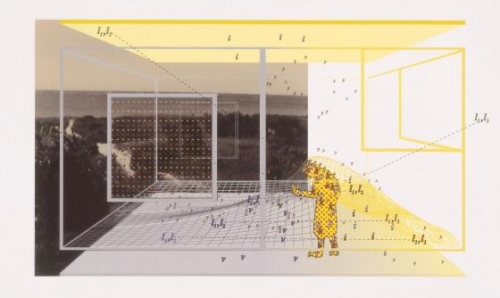
It is our great pleasure to inform you that the exhibition Eternal Gradient is travelling to Graham Foundation in Chicago. There will be public programs during the exhibition period.

Exhibition on view from February 7 – May 4, 2019

Opening Reception: February 7, 2019, 5:30 – 8:00PM (RSVP here)
 

The Graham Foundation
Madlener House
4 West Burton Place, Chicago
 

Programs:
LÉOPOLD LAMBERT: POLITICAL READING OF ARAKAWA+GINS, February 21, 6pm (RSVP here)
CHARLES BERNSTEIN: NEAR/MISS, POETRY READING, April 17, 6pm (RSVP here)


Tracing the emergence of architecture as a wellspring of creativity and theoretical exploration for the artist Arakawa (1936–2010) and poet and philosopher Madeline Gins (1941–2014), this exhibition features over 40 drawings and other archival materials that illuminate a pivotal moment within a practice that spanned nearly five decades of collaboration.

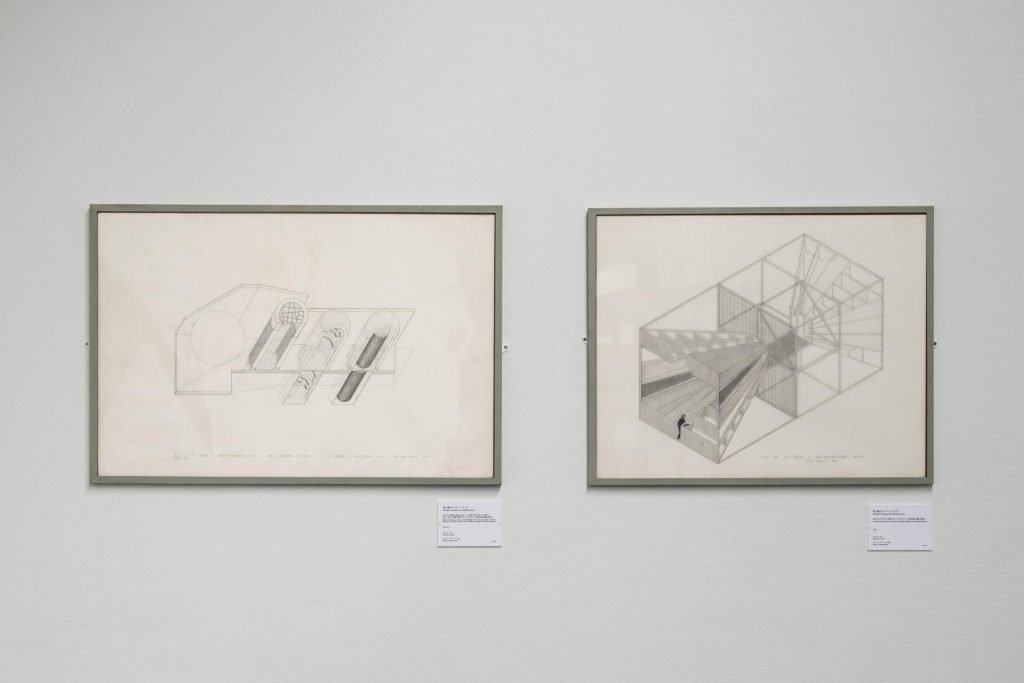
In the early 1960s, Arakawa and Gins began a remarkably original and prolific partnership that encompassed painting, installations, poetry, literature, architecture, urbanism, philosophy, and scientific research. Complementing their independent artistic and literary practices, their collaborative work launched with visual, semiotic, and tactile experiments that questioned the limits and possibilities of human perception and consciousness. During the 1980s—a critical juncture in their careers—this line of inquiry became increasingly spatial as Arakawa and Gins together developed a series of speculative architectural projects that sought to challenge the bodily and psychological experience of users. Through these investigations, the artists began to articulate their concept of “Reversible Destiny,” arguing for the transformative capacity of architecture to empower humans to resist their own deaths. This exhibition uncovers a little-known body of this visionary work that anticipated the artists’ subsequent commitment to architecture and their realization of various “sites of Reversible Destiny,” in Japan and New York between 1994–2013.

Eternal Gradient originated at the Arthur Ross Architecture Gallery at Columbia University Graduate School of Architecture, Planning and Preservation (GSAPP) and is made possible, in part, by the Estate of Madeline Gins and through a partnership with the Reversible Destiny Foundation.

The exhibition was curated by Irene Sunwoo, GSAPP director of exhibitions and curator of the Arthur Ross Architecture Gallery, with Tiffany Lambert, GSAPP assistant director of exhibitions. The Graham Foundation presentation is organized by Sarah Herda, director, and Ellen Alderman, deputy director of exhibitions and public programs. The exhibition design is by Norman Kelley, a Chicago & New Orleans architecture and design collective founded by Carrie Norman and Thomas Kelley.


For more information please visit: https://grahamfoundation.org/

Categories
未分類

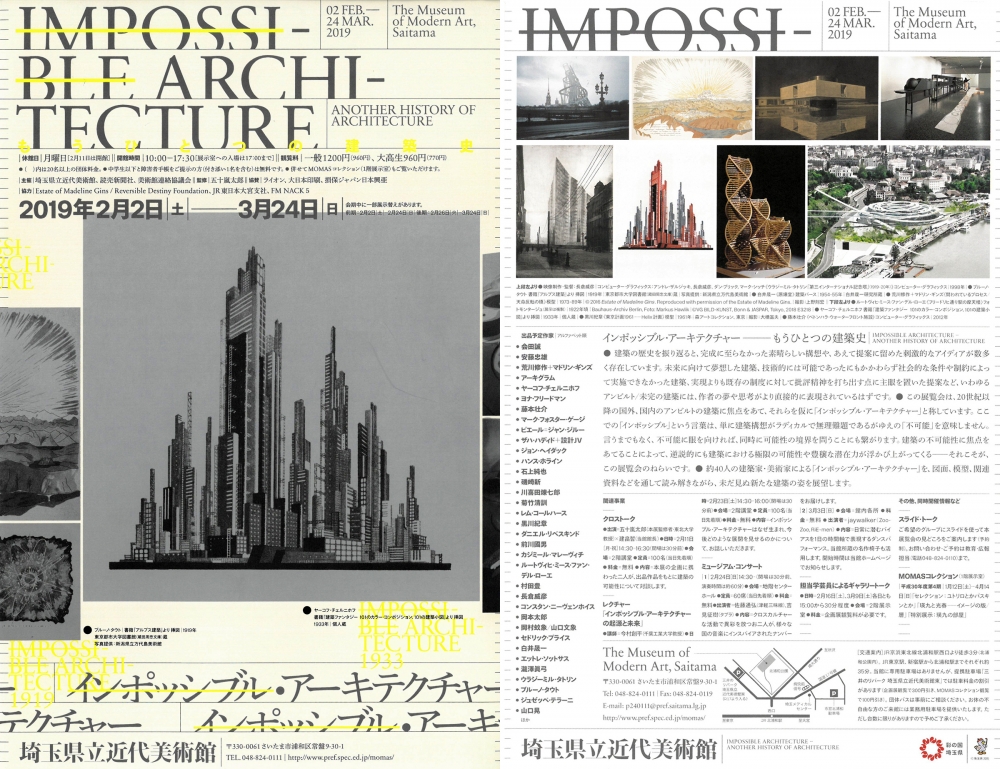
Impossible Architecture

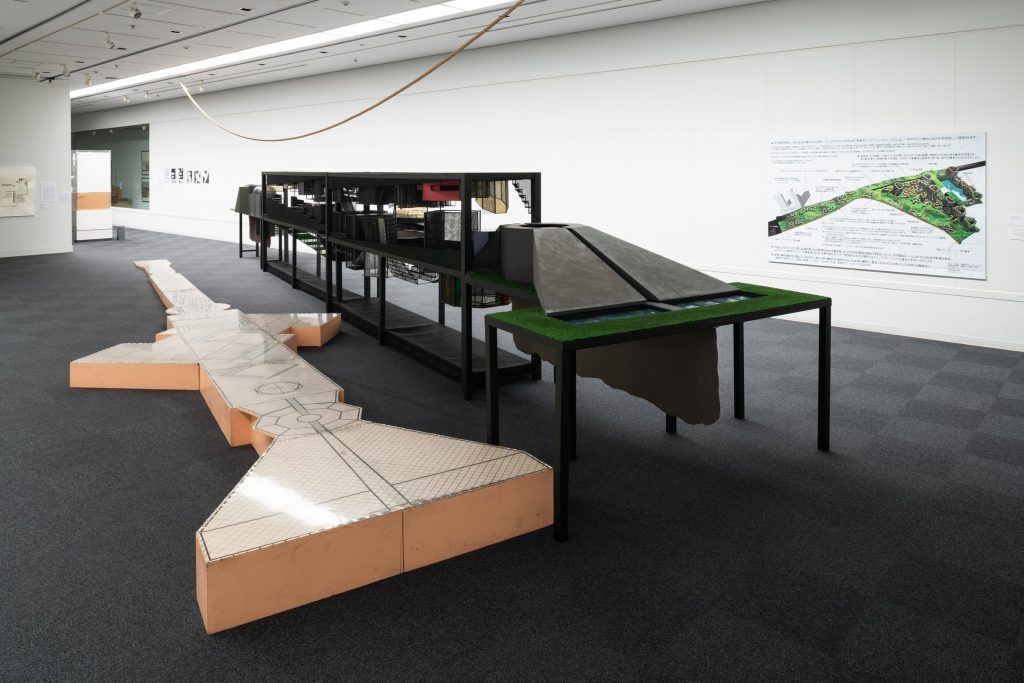
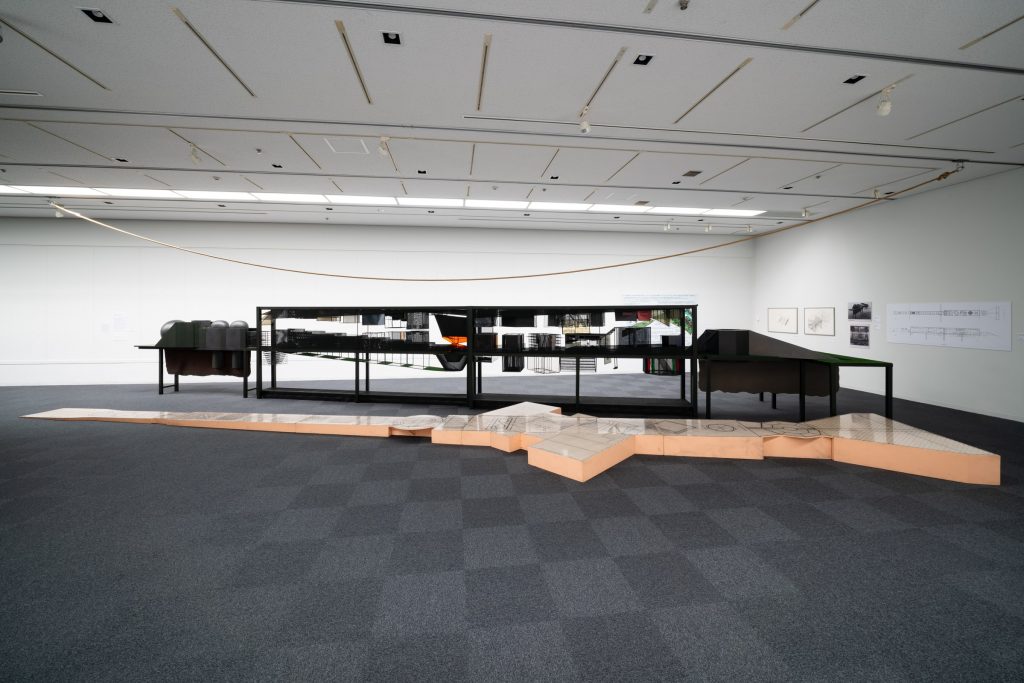
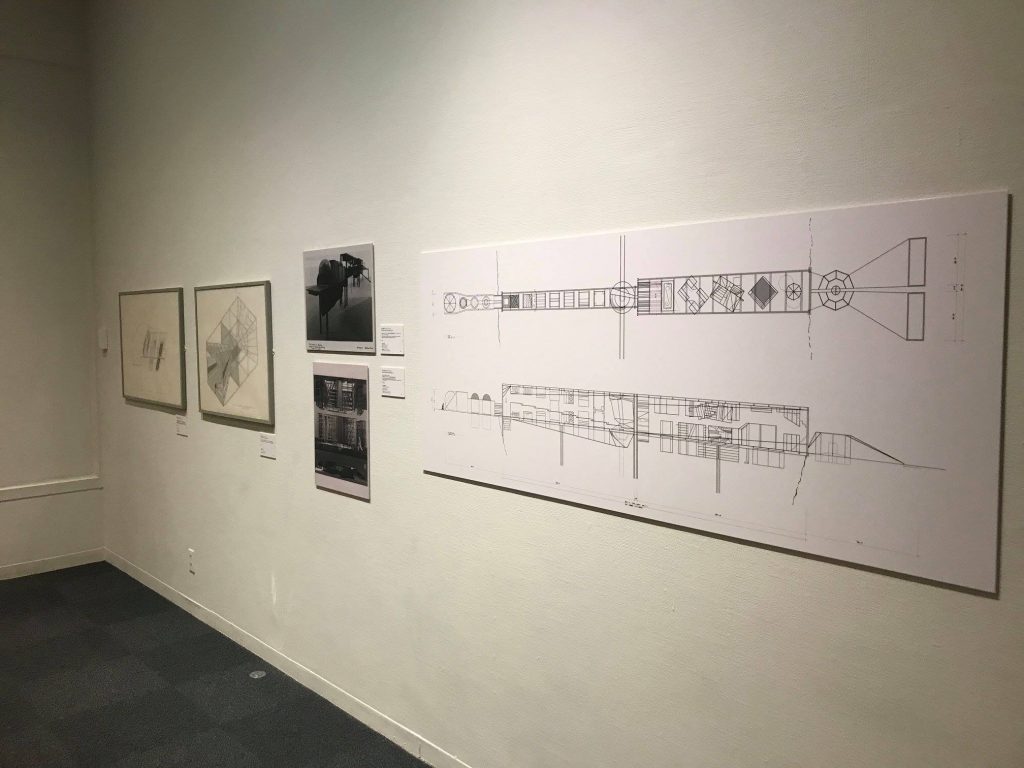
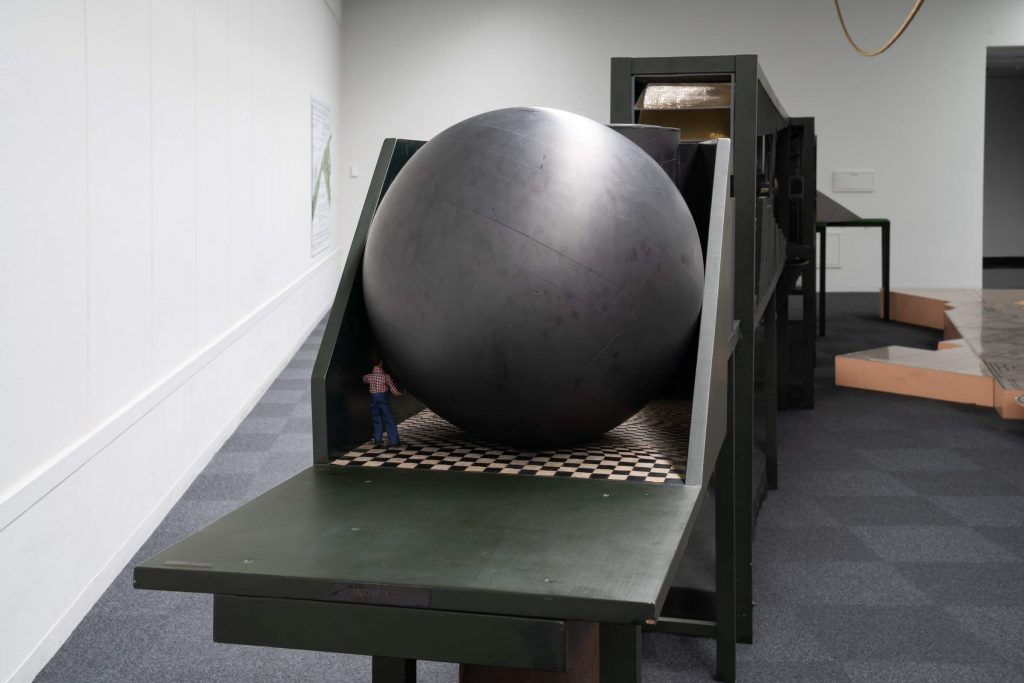
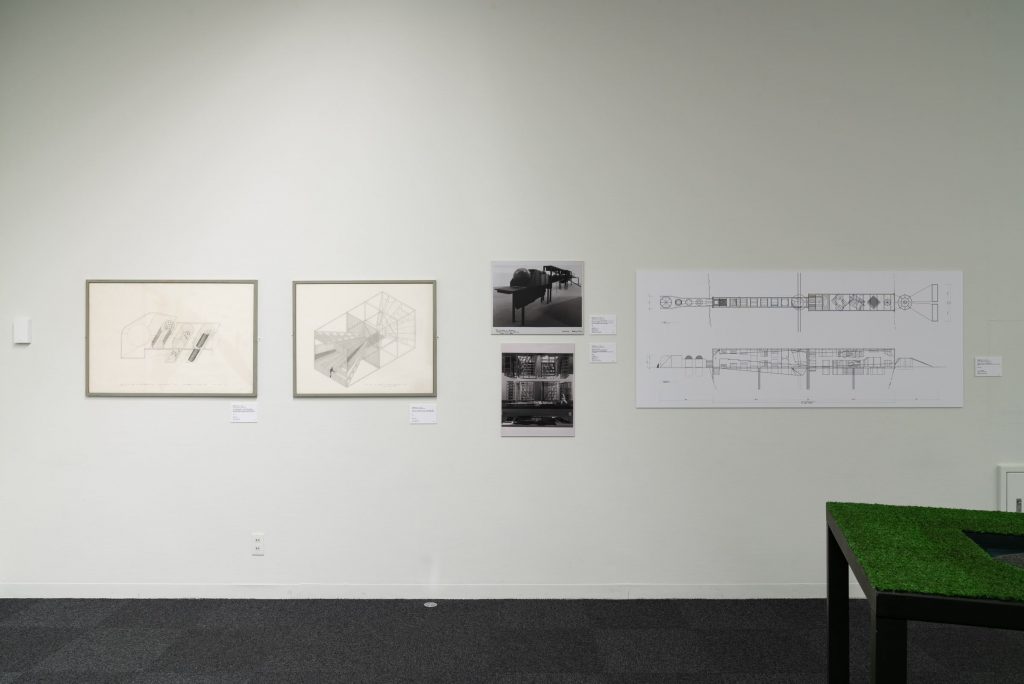
The Museum of Modern Art, Saitama, Japan will present the exhibition, Impossible Architecture, in collaboration with three other museums; Niigata City Art Museum, Hiroshima City Museum of Contemporary Art, and the National Museum of Art, Osaka. The exhibition will travel through these four public museums in Japan from February 2019 until March 2020, and will be featuring several artworks by Arakawa and Madeline Gins, including a large-scale model of The Process in Question/Bridge of Reversible Destiny, also known as the “Epinal Project”.

This exhibition featuring an array of international unbuilt architectural designs of the 20th century and onward, has the working title “Impossible Architecture.” The word “impossible” in this context does not mean “impossible” simply because of any radical or unreasonable demands of the architectural design, but refers to the restrictive boundaries of each project’s social time and place, and encourages us to revisit and re-examine the possibilities lying at these architectural frontiers. By placing the focus on the impossibility of this architecture, paradoxically their extreme possibilities and rich potentials come to the fore, abundantly fulfilling the very aim of this exhibition.

Through a diverse mix of plans, models, and other related materials, the “Impossible Architecture” exhibition closely analyzes the extraordinarily imaginative projects of some 40 architects and artists, and casts the spotlight on new forms of architecture that have never been seen before.


Venues, Dates and Locations:

Museum of Modern Art, Saitama
Dates: February 2 – March 24, 2019

Location:
〒330-0061
9-30-1, Tokiwa, Urawa-ku, Saitama-shi, (in Kita-Urawa Park), Japan
Tel: 048-824-0111

https://www.pref.spec.ed.jp


Niigata City Art Museum
Dates: April 13 – July 15, 2019

Location:
〒951-8556 Niigata, Chuo Ward, Nishiohatacho, 5191−9, Japan
Tel: +81-25-223-1622

https://www.ncam.jp


Hiroshima City Museum of Contemporary Art
Dates: September 18 – December 8, 2019

Location:
1-1 Hijiyamakoen, Minami Ward, Hiroshima, 732-0815, Japan
Tel: +81-82-264-1121 

https://www.hiroshima-moca.jp


The National Museum of Art, Osaka
Dates: January 7 – March 15, 2020

Location: 4-2-55 Nakanoshima, Kita-ku, Osaka, 530-0005, Japan
Tel: +81-6-6447-4680

https://www.nmao.go.jp/en/


This exhibition is organized by The Museum of Modern Art, Satama, Niigata City Art Museum, Hiroshima City Museum of Contemporary Art, The Ntaional Museum of Art, Osaka, The Yomiuri Shimbun and the Japan Association of Art Museums.

Categories
未分類

Los Angeles to New York: Dwan Gallery, 1959–1971

The first major exhibition to explore the storied history of the groundbreaking mid-20th-century Dwan Gallery will premiere at the National Gallery of Art, Washington, from September 30, 2016, through January 29, 2017. Honoring Virginia Dwan’s gift from her extraordinary personal collection to the National Gallery of Art, Los Angeles to New York: Dwan Gallery, 1959–1971 will be on view in Concourse galleries of the newly renovated East Building. The exhibition traces Dwan’s remarkable career as a gallerist and patron through some 100 works drawn from her collection as well as from museums and private collections. The exhibition includes Arakawa’s Untitled, “Stolen”, 1969, collection of Wadsworth Atheneum Museum of Art, Hartford.

Los Angeles to New York: Dwan Gallery, 1959–1971 was organized by the National Gallery of Art. The exhibition travels to the Los Angeles County Museum of Art, where it will be on view from March 19 through September 10, 2017.


VISIT WEBSITE


Categories
未分類

Color Sample

h2 Title

h3 Title

h4 Title

Shusaku Arakawa (1936-2010) was born in Nagoya, Japan and attended the Musashino Art University in Tokyo. Renowned for his paintings, drawings, and prints, as well as his visionary architectural constructions, Arakawa, was one of the founding members of the Japanese avant-garde collective Neo Dadaism Organizers and was one of the earliest practitioners of the international conceptual-art movement of the 1960s. After moving to New York from Japan in 1961, Arakawa produced diagrammatic paintings, drawings, and other conceptual works that employed systems of words and signs to both highlight and investigate the mechanics of human perception and knowledge. Throughout the following decades Arakawa continued to exhibit at museums and galleries extensively throughout North America, Western Europe and Japan with works that grew in scale and visual and intellectual complexity. linklinklink